


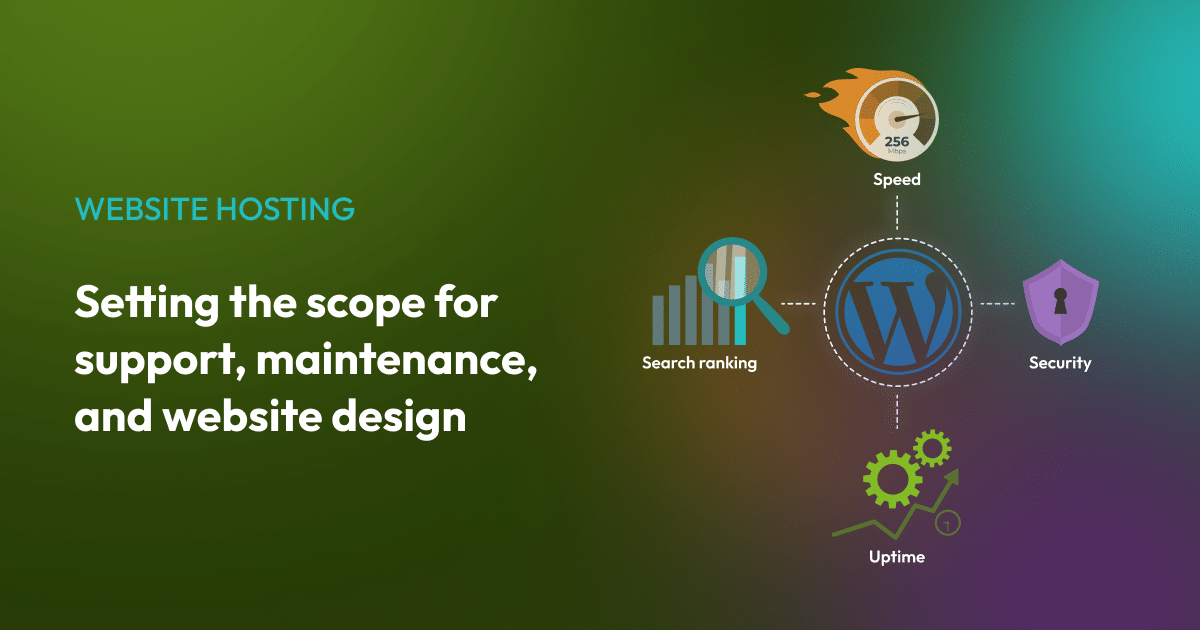

High-performing websites share several key characteristics, including faster load times, cleaner code, better content structure, fewer unnecessary plugins, and long-term design thinking. These features improve user experience and search rankings and reduce digital waste as a natural side effect of efficient design.
In websites that consistently perform well, patterns emerge, as these websites often rank high in search, convert visitors into customers, and maintain strong engagement. This is the result of intentional choices made during design and development.
Understanding what high-performing websites have in common helps organisations make better decisions about their digital presence. If you’re building a new website or evaluating your current one, these characteristics are worth looking at, for both human and robot visitors to benefit.

Faster load times
Why do fast load times matter for website performance?
A high-performing website loads quickly across all devices and connection speeds. Pages render within 2-3 seconds on average connections, and core content appears almost instantly, even on slower mobile networks.
Speed is fundamental to how users and search engines evaluate your site, and it directly impacts user behaviour.
- 53% of mobile website visitors will leave if a webpage doesn’t load within three seconds
- Search engines favour faster websites in their rankings
- Conversion rates drop when pages load slowly.
Fast websites see lower bounce rates, longer session duration, and higher engagement across the board.
As well as user experience, faster load times reduce the energy required to load your website, because a fast website consumes less server resources and transfers less data. This means lower carbon emissions per visitor, with speed and sustainability improving together naturally.
How can you improve website load time?
Fast load times result from multiple optimisations working together.
Image optimisation is key. Oversized images are the primary culprit in slow websites, so implement responsive images that resize for different devices. Use modern image formats like WebP that compress without losing quality and set images to lazy load so they only load when users scroll to them.
Minimise HTTP requests by combining files where possible and removing unnecessary elements. Enable browser caching so repeat visitors load pre-existing assets instead of downloading everything again. Use a content delivery network (CDN), such as Cloudflare or Amazon, to load assets from servers geographically closer to your visitors.
Code efficiency also matters significantly. Remove unused CSS and JavaScript and use minimal code where possible to reduce file sizes. You can also reduce non-critical JavaScript, so it loads after the page does.

Cleaner code
What does cleaner code mean for website performance?
Clean code is organised, well-structured, and contains only necessary markup, scripts, and elements. It follows standards and best practices, making it maintainable. This means future developers (or the original developer months later) can understand and modify it without confusion.
Having cleaner code makes a website faster and easier for search engines to crawl. It’s more secure because there’s less content for vulnerabilities to hide, and it’s easier to maintain and update, which means lower long-term costs and fewer bugs.
Search engines crawl clean code more effectively, which improves how well they understand your site.
From a sustainability perspective, cleaner code requires fewer resources to process, which means leaner, more efficient code is better for the website and the planet.
How can you write cleaner code?
Clean code starts with good development practices from the beginning.
- Remove dead code. This is code that’s no longer used but still sits in your files. Audit your stylesheets and JavaScript files regularly, and if a style or function isn’t applied anywhere, remove it. Use version control so nothing is truly lost; you can always retrieve it from history if needed.
- Organise code logically. Use consistent naming conventions and add comments to complex sections so their purpose is clear. Always structure files and folders in a way that makes sense.
For the WordPress sites we build, we use Elementor and the Hello Elementor theme, which are very lightweight and efficient.
AI prompt for auditing code quality
If you’re reviewing existing code and unsure where to start, try this prompt in Claude:
“Review this code for dead code, unnecessary complexity, and opportunities to improve maintainability. Flag any patterns that could be simplified or consolidated. What are the highest-impact improvements?”

High-performing websites with better content structure
How does content structure impact search rankings and user experience?
Content structure refers to how information is organised through headings, paragraph length, formatting, and visual hierarchy. High-performing websites present information in a way that’s easy to scan, understand, and navigate, organised logically with clear relationships between sections. This means that:
- Better content structure improves readability and comprehension
- Visitors find what they’re looking for faster
- Search engines understand content more effectively, which improves rankings
- Scannable content keeps visitors on the page longer, which signals to search engines that your website provides value.
Well-organised content makes maintenance straightforward. When content is structured logically, updates fit naturally into the existing pages.

How to improve a website's content structure
Always use proper heading hierarchy, starting with a single H1, follow by H2s for main sections, and H3s for subsections. This helps both visitors and search algorithms understand content better.
Review text length and keep paragraphs short, and to make content more scannable, use bullet points and lists where information is sequential or comparative. It’s also useful to break up dense text with subheadings so readers can easily find what matters to them.
Consider the visual appearance of content alongside text and use whitespace intentionally. Highlight key information through formatting, to ensure important content isn’t buried below the fold.
Where possible, we’d always recommend testing your content structure with visitors. Watch how people navigate and what they struggle to find, then adjust the structure based on this behaviour.

Removing unnecessary plugins
Why do unnecessary plugins slow down websites?
Each plugin adds code, creates dependencies, and increases complexity. WordPress websites, especially, can accumulate plugins over time, and each one adds functionality but also adds weight. Fewer, well-chosen plugins mean simpler maintenance and fewer potential conflicts.
Reducing plugins also leads to faster pages, as each plugin adds more script that requires loading. It also has a positive impact on security as there are fewer vulnerabilities to monitor and fix.
Lighter websites with less unnecessary weight consume less energy, so reducing the number of plugins directly correlate to smaller file sizes and less server use.
How to reduce excess plugins on a high-performing website
Audit current plugins honestly and regularly.
Does each one add clear value?
Could its functionality be built directly into your theme or custom code?
Could multiple plugins be replaced with one more powerful plugin?
To evaluate plugins based on quality and not just features. Look at:
- How recently the plugin was updated
- How many active installations it has
- User reviews and ratings
- Whether it’s actively maintained
- Whether the developer has a track record of security.
Remove plugins you’re not actively using and only keep the plugins that are in use.

Long-term design thinking
Why does long-term website design matter for performance?
High-performing websites are designed to evolve and scale without requiring complete rebuilds. This means making decisions with sustainability in mind, including immediate functionality alongside future flexibility.
Websites built to last can be updated and improved gradually over the years rather than requiring complete rebuilds every few years. This type of long-term thinking is more stable and reliable. They maintain functionality under changing circumstances because they were designed with flexibility in mind. They scale more easily as your business grows.
Long-term thinking also naturally leads to sustainable practices. When you’re building something meant to last, you make different choices about efficiency, code quality, and architectural decisions, investing in doing things well rather than quick fixes.
How can you build a high-performing website designed for long-term success?
Start with a clear strategy, and ask What will this website need to do in three years? Then build the website that supports that vision.
It means choosing technologies and platforms that have longevity and active communities, maintained with sustained investment. This ensures they remain relevant, valuable and secure long-term. Creating a WordPress website often offers this stability.
For long-term security in a website, invest in regular maintenance and updates rather than letting sites sit online with no monitoring. A website maintained with a good support plan consistently ages and performs better than one that’s ignored for years.
Audit your website to improve performance
These factors all work together to improve website performance and long-term durability.
If you’d like help improving any of the areas covered, an audit is the first step. Look at:
- Load time performance across devices
- Code quality
- Content structure
- The use of plugins
- Scalability in design.
The goal is understanding your current situation and making intentional improvements where they matter most. Focus on progress over perfection.
If you’d like help auditing your website or want to discuss how to improve its performance, let’s chat about what’s next. We can help you understand what’s working, what’s holding you back, and what improvements will have the biggest impact on user experience and business outcomes.