




Ethical digital marketing means being transparent about how you use technology, measuring your environmental impact, protecting customer data, and keeping humans at the centre of decision-making. For values-led businesses and B Corps, these practices are opportunities to demonstrate integrity and build trust with customers who share your values.
A digital presence communicates more than products and services. It communicates who a brand is and what it stands. The choices made about technology, data, sustainability, and transparency all signal values to customers and partners.
Values-led businesses understand this, as do B Corps. When choosing to do ethical digital marketing, it’s about more than making the right choice. Brands focused on ethical digital marketing build a competitive advantage that resonates with customers who want to work with businesses they can trust.
Ethical digital marketing is about making intentional choices across several key areas. Here’s how to showcase those values through the digital channels that matter most.
Be transparent about AI and how it's used ethically
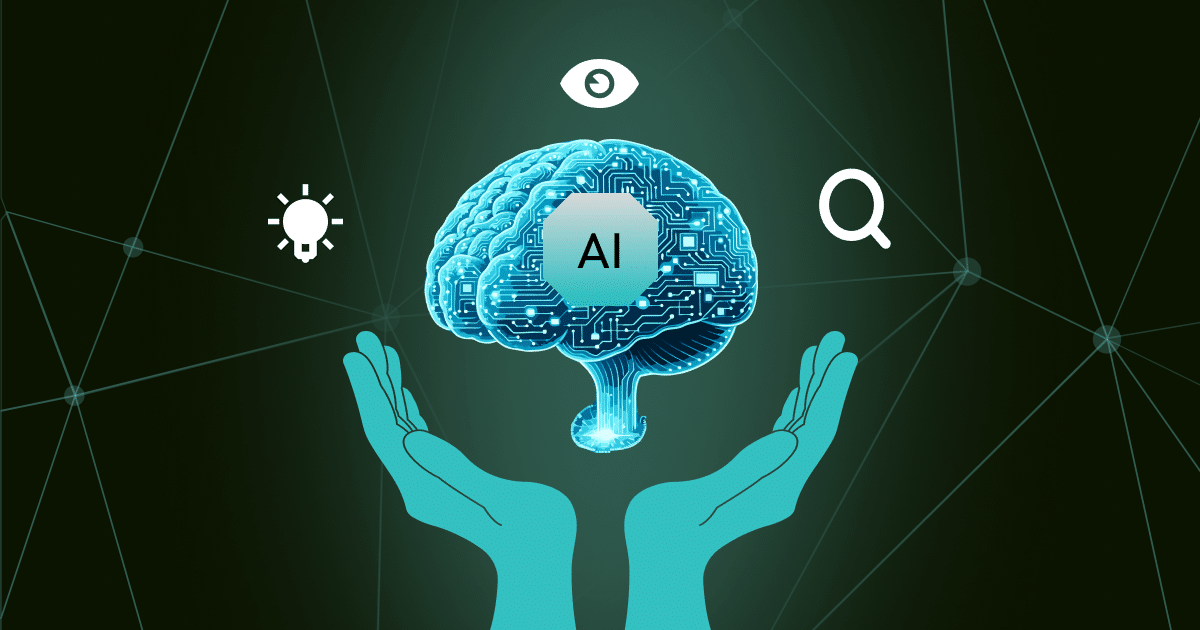
Artificial intelligence is used throughout the digital marketing process now, and powers content recommendations, personalisation algorithms, customer service chatbots, and content creation tools. The question for values-led businesses isn’t whether to use AI, it’s how to use it responsibly and communicate that choice clearly.
Transparency is the foundation. When we use AI tools in marketing, customers deserve to know:
- If a chatbot is powered by AI
- When AI is used to analyse customer data
- That content has only been AI-generated with no human involvement.
This transparency builds trust with an audience rather than eroding it.
Responsible use also means understanding the limitations and biases built into AI models. AI tools are trained on historical data, which means they can amplify existing prejudices and stereotypes.
A responsible approach and ethical digital marketing means having humans review AI-generated content and decisions, especially anything that affects customer experience or represents a brand’s values.
For many values-led businesses, this means using AI as a tool to enhance human work, not replace it. AI can help analyse customer sentiment, personalise communications, and optimise campaigns. But a human should always be involved in reviewing that output, making final decisions and ensuring the result aligns with values.
For deeper insight into how we can use AI in digital marketing while keeping humans at the centre, read our blog on AI in digital marketing.
Measure environmental impact through carbon reporting
Sustainability values can be best presented through actively measuring impact. For digital businesses, this includes the carbon footprint of our online presence.
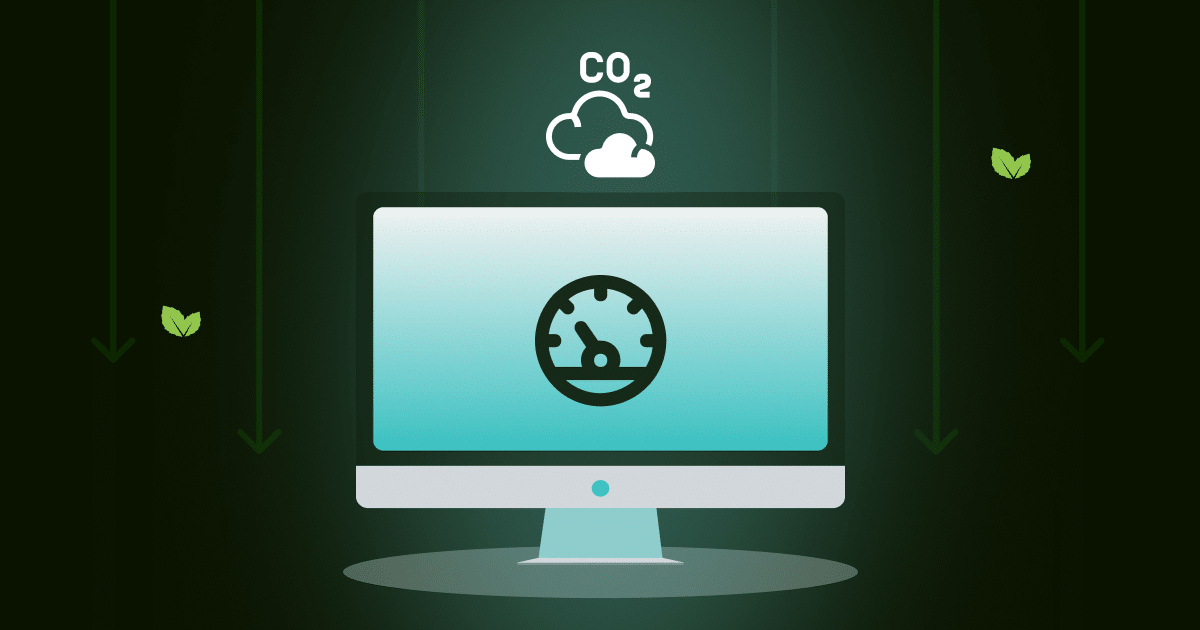
Every website produces carbon emissions. Hosting, data transfer, and server energy all have environmental costs, so for businesses committed to sustainability, measuring this impact is the first step toward reducing it.
Tools like the free-to-use Website Carbon Calculator allow businesses to measure the carbon emissions that a website produces. Websites can be quickly tested to see exactly how much CO2e is generated per visitor. More importantly, we can track improvements over time as a website is optimised for performance and sustainability.
For values-led businesses, this demonstrates taking sustainability seriously enough to measure it. It shows customers that a brand is willing to be transparent about its environmental impact, even when that impact is uncomfortable.
The best thing about carbon reporting is that these metrics can often be improved, and organisations can show visitors they’re actively dedicated to improving these scores and their impact over time.
Outside the website, consider the environmental impact of broader digital marketing activities, such as email campaigns, paid advertising, and video content, which all generate carbon emissions. One platform we recommend is Ecosend for more carbon-friendly email marketing campaigns.

Protect customer data with robust consent and privacy practices
Data is one of the most sensitive areas where values get tested.
Ethical data practices mean being clear about what information is collected for digital marketing purposes, why it’s collected, and how it’s used. UK GDPR compliance is the legal standard, but values-led businesses often go further.
This can include:
- Offering more detailed consent options
- Limiting data retention to what’s truly necessary
- Being transparent about data partners and refusing to work with providers whose practices conflict with values.
A website should communicate these practices clearly. Privacy policies should be understandable, not designed to confuse, and consent forms should offer clear choices.
When we protect customer data with intention and transparency, we show customers that their trust matters more than extracting maximum data from them. That message will resonate with values-driven audiences.
Choose to work with ethical, values-aligned partners and customers
Ethical digital marketing also means being intentional about who businesses will work with. Some businesses choose to work only with customers whose values align with theirs, and some may refuse to work in industries that conflict with their ethics.
This selectivity is also a strong way of demonstrating authenticity, especially for those with B Corp certification.
When working with values-aligned customers, marketing messages must be authentic. This means reflecting our values down to the people we choose to work with and showing customers that we won’t compromise our integrity for profit.
For values-led businesses, this clarity about who they will and won’t work with strengthens a brand. It attracts customers who share the same values, and repels those who don’t, who likely already exist outside an ideal audience. That filtering process creates a more meaningful, sustainable customer base.
Use a website as a values statement about ethical practice
All these ethical practices, including transparency about AI, carbon reporting, data privacy, bias mitigation, and partner selectivity, can be communicated through a website.
A website is the only place online where we have full control over the narrative. Use it to explain ethical practices, share carbon metrics, describe a data privacy approach and be transparent about how technology is being used.
Values-led customers are increasingly looking for this transparency. When they land on a website, they want to understand what a brand stands for. A website that communicates ethical practices builds trust and encourages those customers to choose a brand over competitors.
Websites also demonstrate values through how they’re built. A fast, efficient website with low carbon emissions shows that sustainability isn’t just a statement, and that it’s embedded into the infrastructure of a brand online.
As well as this, a website with strong accessibility practices shows that inclusion matters, and those with transparent forms and clear privacy communication show that businesses respect their customer’s data.
These technical and design choices reinforce values messaging. Together, they create a coherent picture of a business serious about ethical practice.

Build trust through intentional choices in ethical digital marketing
Ethical digital marketing is ultimately about intention and making conscious choices at every stage. It’s about transparency, accountability, and human oversight.
For values-led businesses and B Corps, these practices are opportunities to demonstrate what sets you apart. When choosing the ethical digital marketing options, you’re choosing to build trust with customers who want exactly what you offer.
The market is shifting toward businesses that operate this way. Customers increasingly want to work with companies they can trust, and 72% of business leaders consider “Trust in the company (the seller)” to be of the utmost importance.
Ethical digital marketing is how to earn and maintain that trust.
If you’re ready to explore how ethical digital marketing can showcase your values, let’s chat about what’s next.